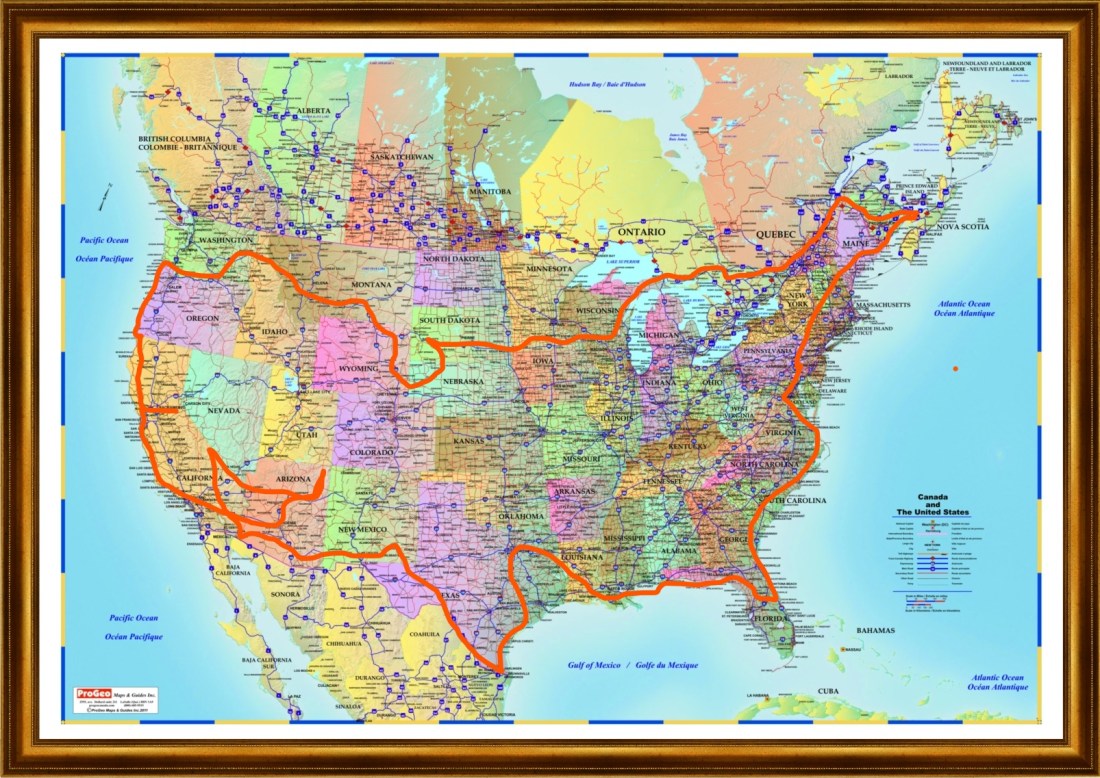
BACK TO THE SOUTH-WEST USA 2022

Seafoam to South Dakota Sept 4 – Sept 11
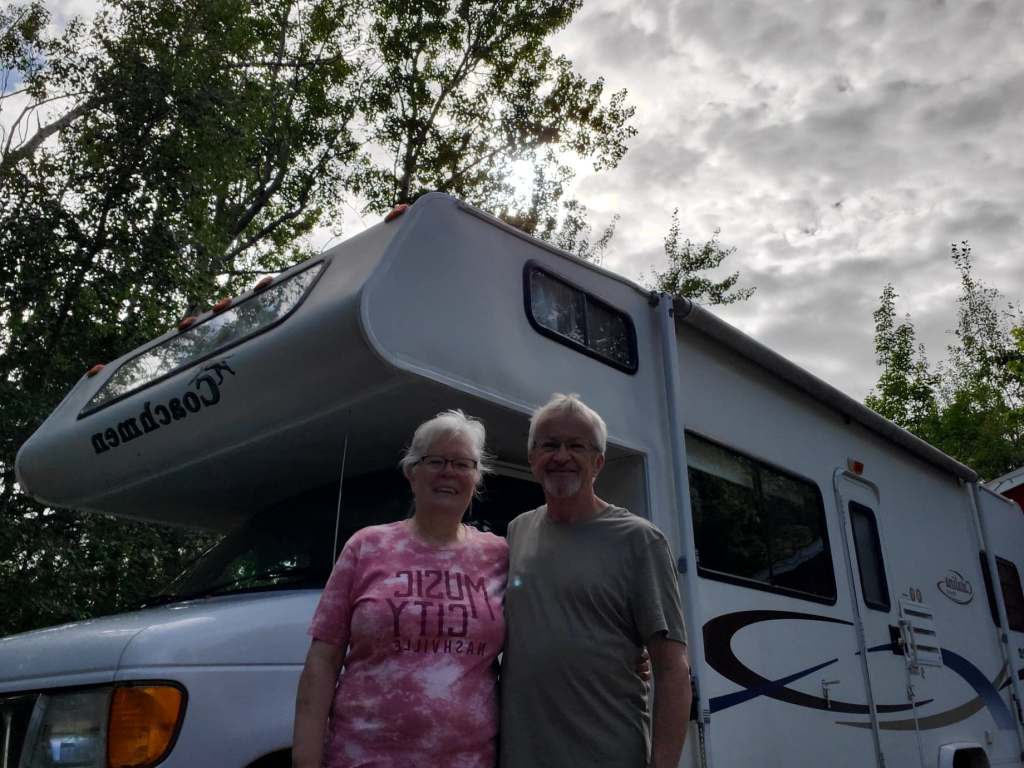
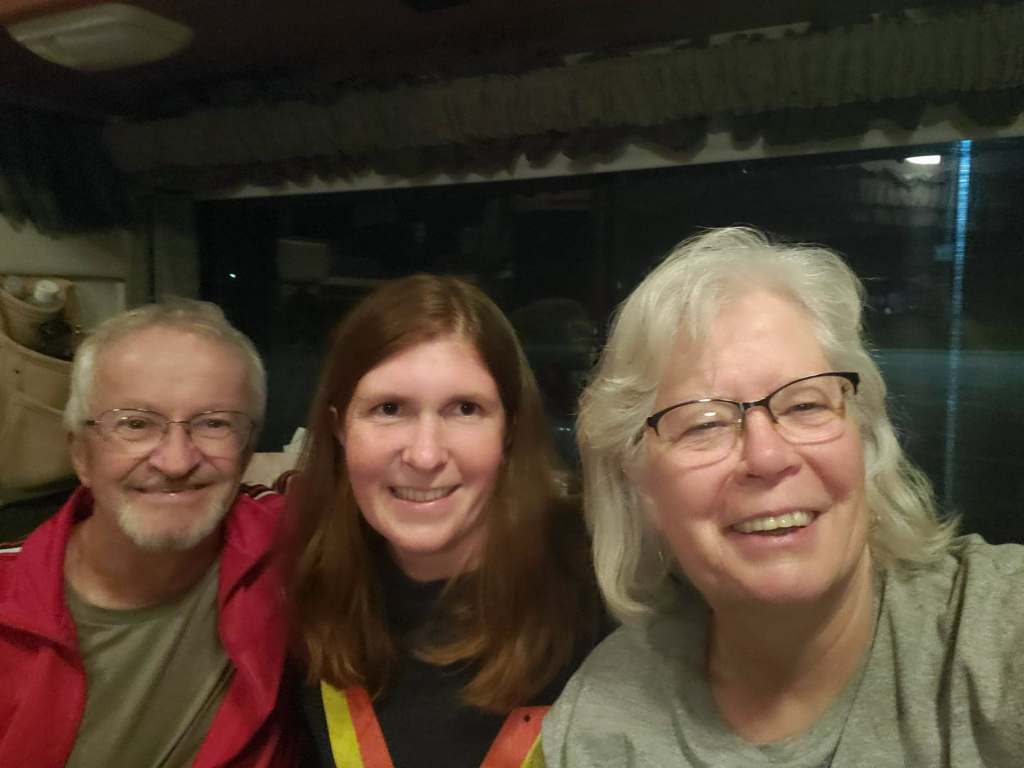
The first week of travel was quite uneventful, as it was mostly driving to start our 3 month tour. We got away late and ran into some snags (Sarnia border crossing guards searched our vehicle – USA is afraid of anything Canadian chicken: eggs and chicken were taken) and by the time we reached South Dakota we were a day behind. But the week wasn’t without it’s rewards. The weather was perfect, the driving easy for the most part and we got to see some precious people along the way – Sandra and Danny’s grand daughter Alicia along with her boyfriend Mike, our Rent a daughter (former exchange student) Dr. Joli Fooken,  Doug’s sister June and her husband Jack, Glenda’s and Sandra’s brother Dan and his wife Fran. Glenda met Hope Fisher for the first time, whose son tragically died a couple of years ago (they only knew each other through FB). It was at the Canada/US border that we heard the sad news from across the pond of the passing of the great lady and monarch, Queen Elizabeth II. US gov’t flags are all at half-mast in honor of Elizabeth, although they did take our chicken at the border.

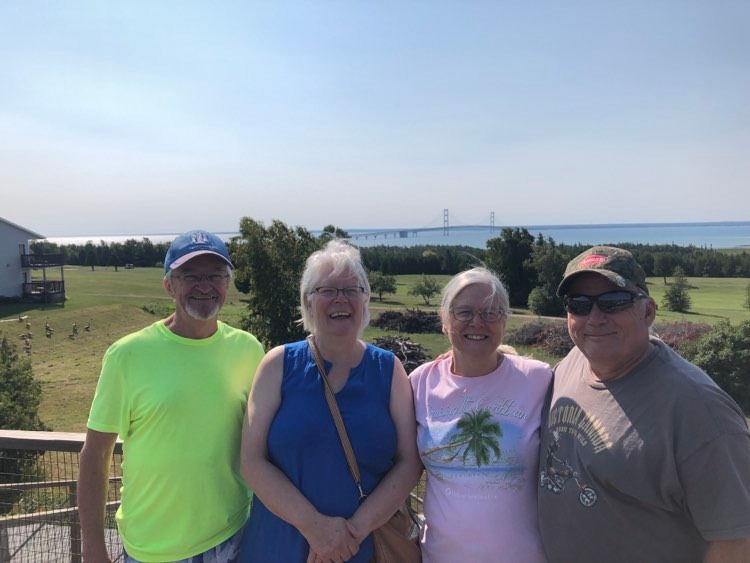
Northern Michigan is quite unpopulated. We saw lots of wild turkeys and even had an encounter with some of the unfeathered sort at our Walmart campsite – in rural NS we call them rednecks! While we were trying to sleep they were parked beside our RV in their souped-up trucks, revving engines until they backfired – in the pouring rain! I guess we got what we paid for that night! Walmart camping has it’s plusses – and Walmart is really smart in allowing it. RVers go shopping for daily needs there, and we are no different. Sandra is like the energizer bunny when it comes to shopping! We travelled mostly on two lane highways hoping to see better scenery (and the landscape is pretty, but not much different than at home) and to keep away from heavy traffic. We crossed the Mackinac Bridge where Lake Michigan and Lake Huron meet (much like the bridge to PEI).

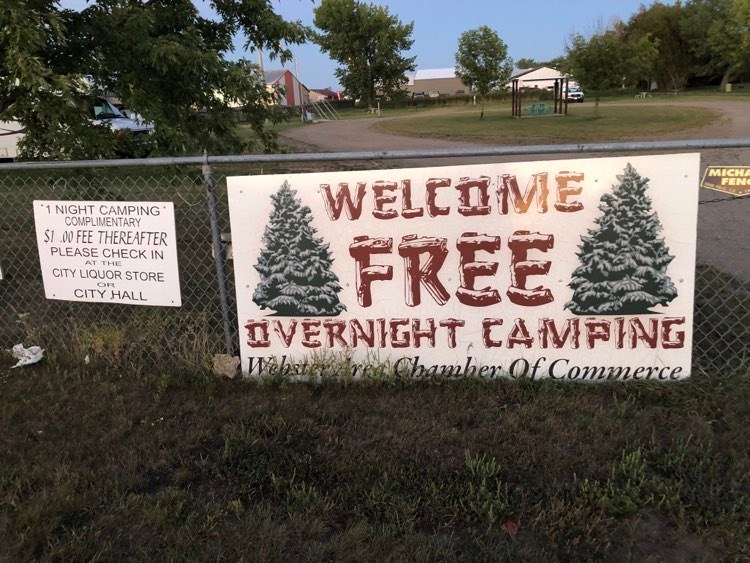
There are websites dedicated to free or very inexpensive camping. Freecamping.net, campendium.com, blm.gov and each state has a national forest website. Most are dry camping, or boondocking places, but some have electricity and access to water and dump stations. So in Webster SD is a nice city park that has sites with power and a place to fill up and get rid of water. It is free for the first night and $1 for every night after that! We parked there with one other camper in the park.

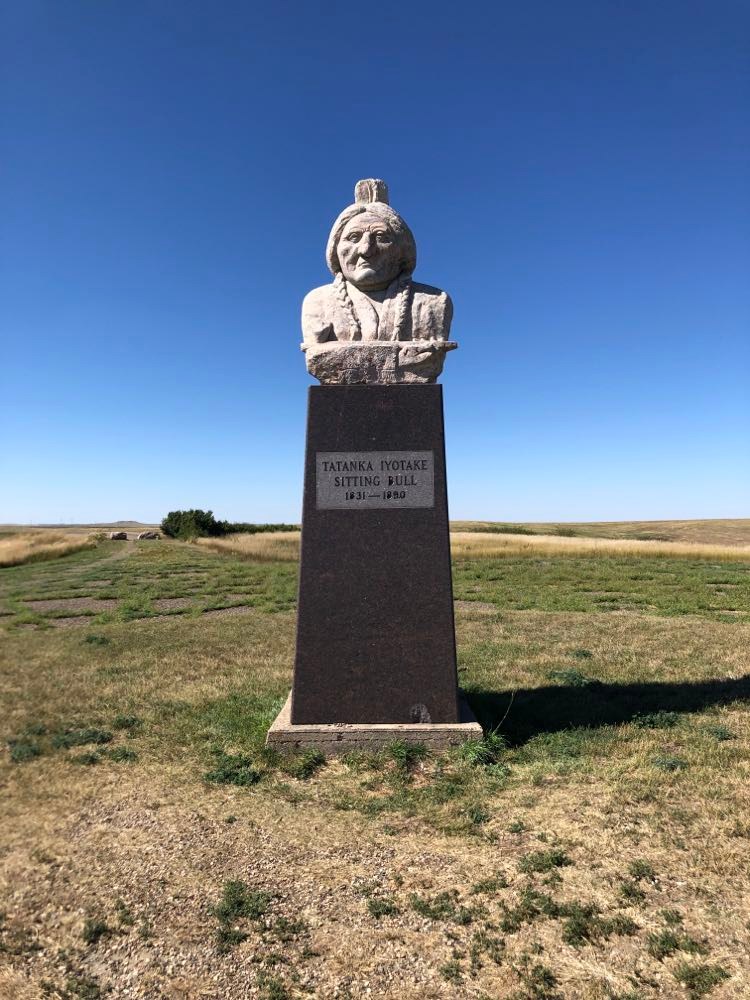
As we continued west on Hwy 12 (Yellowstone Trail) and Hwys 20 & 63 (Lewis & Clark Trail) the landscape began to change to prairie – golden fields and open sky – but not necessarily flat. Agriculture is main industry of SD – huge fields of canola, soybeans, corn and sunflowers. SD boasts more shoreline than Florida and Bob Barker of Price is Right fame is from SD. We visited the monument and burial site of Sitting Bull, a Lakota chief. He was killed by tribal police in an altercation while in custody in 1890 – they were afraid of his influence in “The Ghost Dance Craze” of that same year. He was buried at Fort Yates ND (where he was in custody), but his people exhumed him under cover of night and laid him to rest at Standing Rock Indian Reservation in SD in a concrete underground tomb and then erected a huge monument to his memory. The Ghost Dance was derived from a vision that a native had of unified Indian tribes, the return of the buffalo, victory over US cavalry, their dead raised to life and prosperity for Indians.

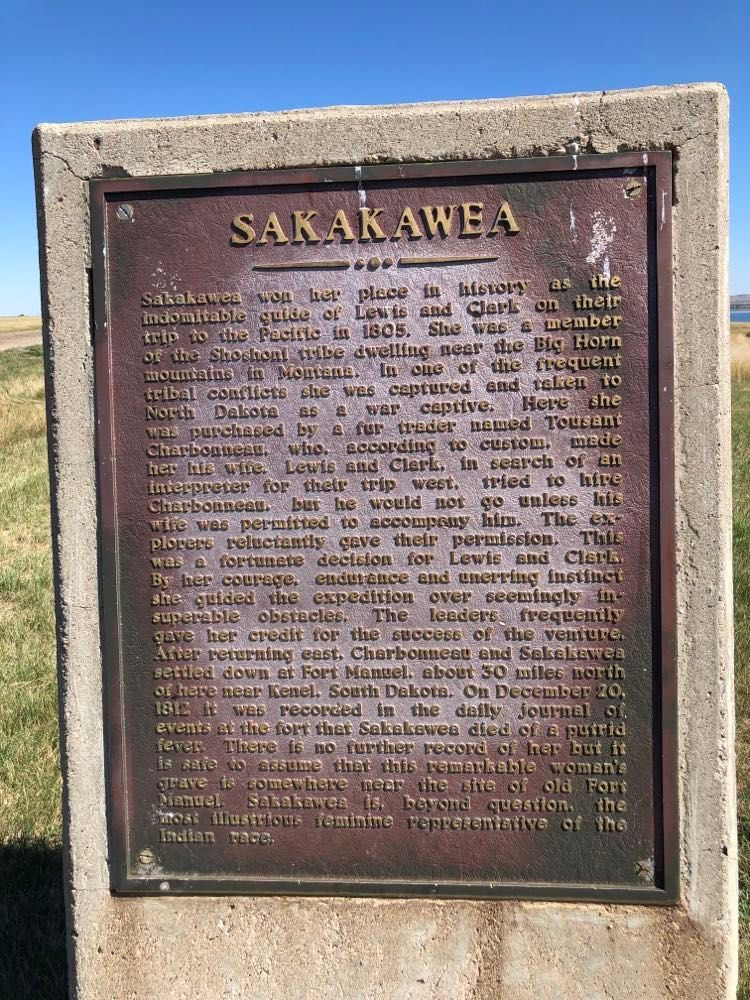
There is also a monument on this site dedicated to Sakakawea. She was a Shoshone woman married to a white man named Charbonneau. He was hired as interpreter/guide by Lewis and Clark on their expedition to the west coast from Illinois in 1804-1805. Sakakawea proved to be a significant part of the trek as she knew the territory and her presence told the Indian nations that the expedition was a peaceful one. Lewis & Clark and Charbonneau & Sakakawea had a strong bond/friendship in as much that Clark adopted both children born to Sakakawea. Tradition records that she died in 1812, but native lore says she returned to her people and died in 1884 at age 96.
Home on Spring + What’s it like to travel 6 months in an RV – March 10- 15

Sarah MacLachlan penned the song ‘Ordinary Miracle’, where the “birds are meant to have their fling, they always make it home on spring, it’s just another ordinary miracle today.” That is how we feel about our 6 month trip. It was an ordinary miracle of the Lord in whom we trust, guiding and blessing us every mile and step. We have felt like we have been travelling in a protective bubble. Even when we had a tire blow out, the rig was very stable and we stopped in front of a cell tower, which was providential considering our spotty ATT cell coverage throughout the trip. We enjoyed the Lord’s protection and presence, just as Israel did in the Exodus, with God’s glory-cloud over them by day and His fire with them by night.
We are really glad to be heading home and that the prediction of an early spring for the Maritimes is coming to pass. When we saw the 14 day forecast for mid to late March, we had our window to drive home and miss any winter weather (well except for Augusta Maine). The trip home was fast for us. 400 miles a day in our RV is enough. We stopped at CJ Mustang parts in Harrisburg PA for some new seat belts, got through the border with only 1 question about how much we bought and my Arizona cactus plants were allowed in! We enjoyed breakfast Friday morning with Joanne and Corey Barton at their restaurant in Sussex. We then picked up a few favourite snacks unavailable in the USA. We got home Friday afternoon and managed to get the RV turned and parked in our soft slushy driveway. Suzy had our heat turned on and Bonnie had our plump orange cat Beeper returned to us shortly after (they are fine examples of “keystone species”). Home never looked or felt so good!

So, what’s it like to travel 6 months in an RV? For me the best part has been new roads, new natural wonders, new towns and just seeing what is over the next hill. We enjoyed great scenery, especially in New Mexico, Arizona, California and South Dakota, including old places I heard about from westerns as a kid, like Virginia City, Yuma, Tombstone and Apache. We planned for an 11,000 mile trip but it ended up being 13,300, due to many diversions we took, like missing the US northwest due to weather. For Glenda it has been seeing the countryside, the old friends and new people we met and the history of places we visited, plus beaches, shells, pelicans and gators – never saw a snake by the way.

Some favourite places: the drive through South Dakota to the Badlands, then from the Black Hills to Wounded Knee – the drive through western Nebraska past Chimney Rock and Scotts Bluff – coming through the southern state line from Colorado and the panoramic view over the New Mexico landscape of mesas and mountains – the incredible beauty of the Valley of the Gods in Southern Utah leading to Monument Valley in northern Arizona – the road through the bleak desert of western Nevada with its ghost towns and mountains – the crazy drive up the side of a mountain to get to old Virginia City – just like it was in the days of Bonanza – like being 10 again!

California lived up to hopes and expectations: the road through central California with its incredible rolling pine hills – the rugged northern California coast and the Redwood giants – the southern Cal coast and the endless summer weather and sand – playing ‘Ventura Highway’ and ‘California Dreaming’ as we wound down highway 101 – then pushing against the Santa Ana winds and the packed highways around Los Angeles to get back to Arizona.

Ah, Arizona, our favourite state! Quartzite with its half million winter RV-er’s – boondocking in the deserts – the month in Yuma with its sunny days, bike paths and new friends – Organ Pipe National Park with its cactus forests – the beauty of the snow-capped mountains around Tucson – Tombstone with its authentic old west lawlessness – the lonely Geronimo monument in the tiny place of Apache, nestled beside the glory of the Chiricahua mountains, another reminder of how whole nations and tribes of people were displaced or eradicated.

Back to New Mexico on the southern route, with a steady stream of trucks blasting past us at 80mph and busy train tracks alongside the interstate. Coming over the mountain pass east of Las Cruces into the majesty of the Tularosa Valley and White Sands Desert – taking the northern route from El Paso to the Guadeloupe mountains and the El Capitan mountain face with ghost towns from both a century ago and maybe a decade or two ago – finding southwest Texas scenery a bit boring until we got to the Rio Grande and smelled the tropical humidity. We had a great drive through the Texas Gulf Coast and really enjoyed Louisiana. Florida was beautiful and got quite hot as we drove through the panhandle to the central coasts. Best weather for sure.

There are many pros to an extended RV trip. Its your own travelling coffee shop and bathroom, and good coffee can be hard to get on the road when ‘coffeemate’ is all that’s offered. Boon-docking is basically staying where and when we want. Stayed at over 30 Walmarts! We ate out only about a dozen times which saved a lot of money and we like our own cooking. Sure enjoyed ‘Golden Corral’ though. We only had rain less than 10 days out of 171, plus 2 snow-flurry days . It was mostly mild to hot everywhere, and a Maritimer never saw so much sun!

We were so relaxed most of the time – the only stress some busy roads or the gps. We had 24/7 time with one another, to walk, talk, bike, study, write, celebrate an early  Christmas with Ben, Ally and Mike, remember Jenny, play guitar and ukulele together and the great discussions about how to park the RV (lol). The only cons: the RV becoming too small at times plus missing our own home and people. 6 months is a long time – 3 or 4 months would be ideal. We had planned a 180 day trip, as Canadians are allowed a max of 6 months in the US without incurring any government tax issues. We met a retired lady doing the Kingsley Plantation tour who put 80,000 miles on her RV in two years and visited 160 parks. So our trip was rather tame compared to hers but it was epic for us and the fulfillment of a dream.

Another reason we called the blog ‘Doing the 180’ is that it is a metaphor Christians use for how the Lord turns your life around when you turn from sin and follow Jesus. I’ve been ‘Doing the 180’ for almost 38 years now and enjoy a life filled with mercy, purpose and hope. There is no better way to live than following Jesus, and in the end, life eternal. Do you have that kind of joy and hope? It is offered to anyone who will put their trust in Christ.
Thanks to all who read our blog and communicated with us along the way. We always felt your love and prayers.

Goodbye Florida – March 1 – 10

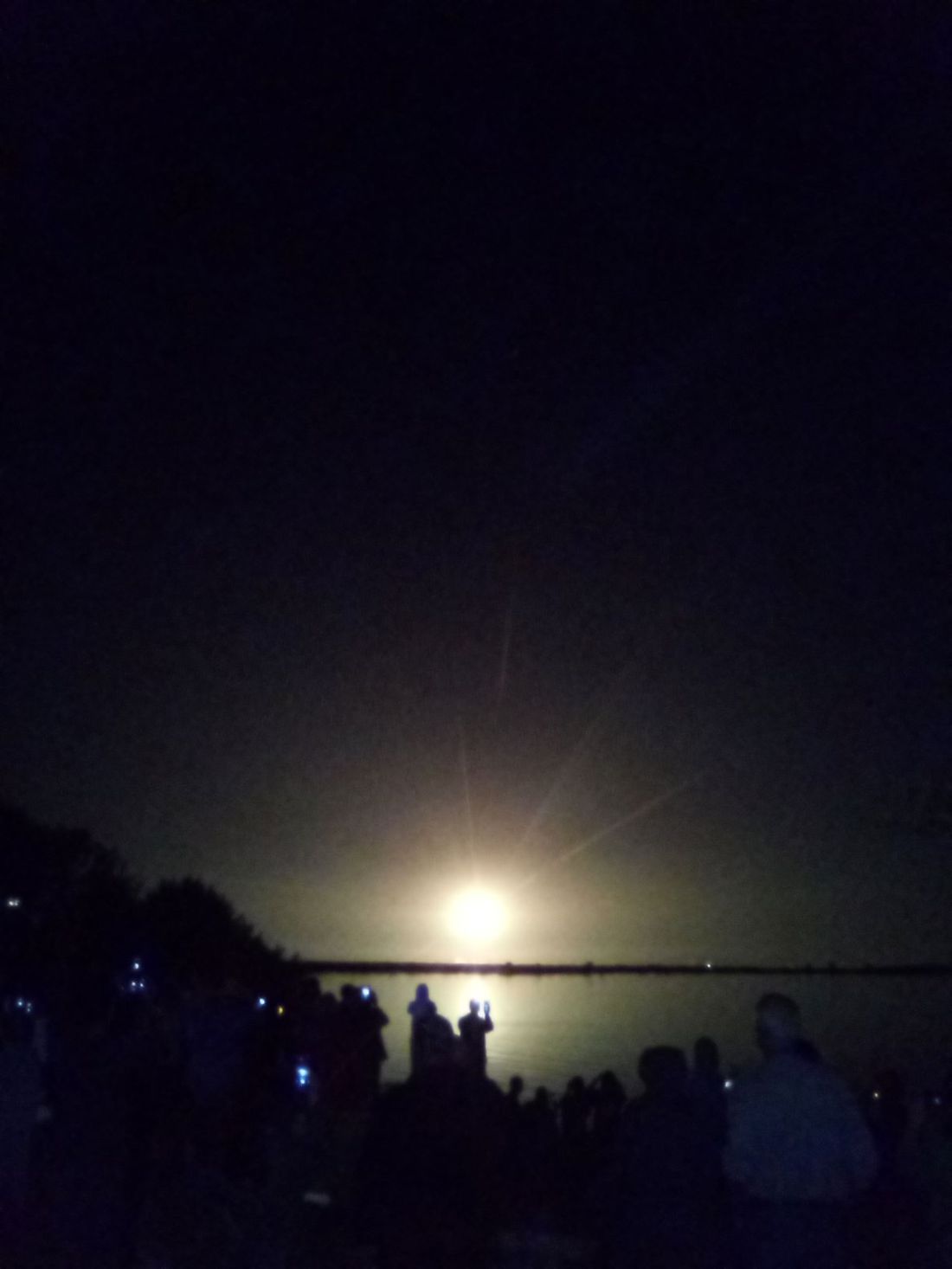
We checked everyday for an open lot at Jetty Park for March 1, but nothing came available. It is the perfect place to watch a rocket launch and no one was giving up their space. So to Titusville it was. We parked downtown by a park and walked around. It was hot and humid. Saw some horseshoe crabs – kind of ugly creatures that are related to spiders, scorpions and ticks, not to crabs at all. And they swim upside down. Their shells look like outdated army helmets and they have a tail. We scouted out different spots to watch the launch of the Space X Falcon Heavy rocket. The rocket launched the Arabsat 6A communications satellite which will deliver TV, internet and mobile phone services to the Middle East, Africa and Europe. It is a reusable rocket that generates thrust that is equal to eighteen 747 aircraft. On the road to the Kennedy Space Center (we tried to drive in, but the official at the gate would have none of it!) was a great spot that already had a few RV’s parked in anticipation. The launch was scheduled for 2:50am March 2 so we went to bed early and set the alarm. When we awoke the area was filled with observers. Blast off was right on time. We didn’t see the rocket, but saw the blast as it was propelled into space and heard the roar. Definitely a highlight of our trip. The space capsule splashed back to earth in the Atlantic near Jetty Park on March 8 and was sailed into Cape Canaveral. Wish we could have seen that!

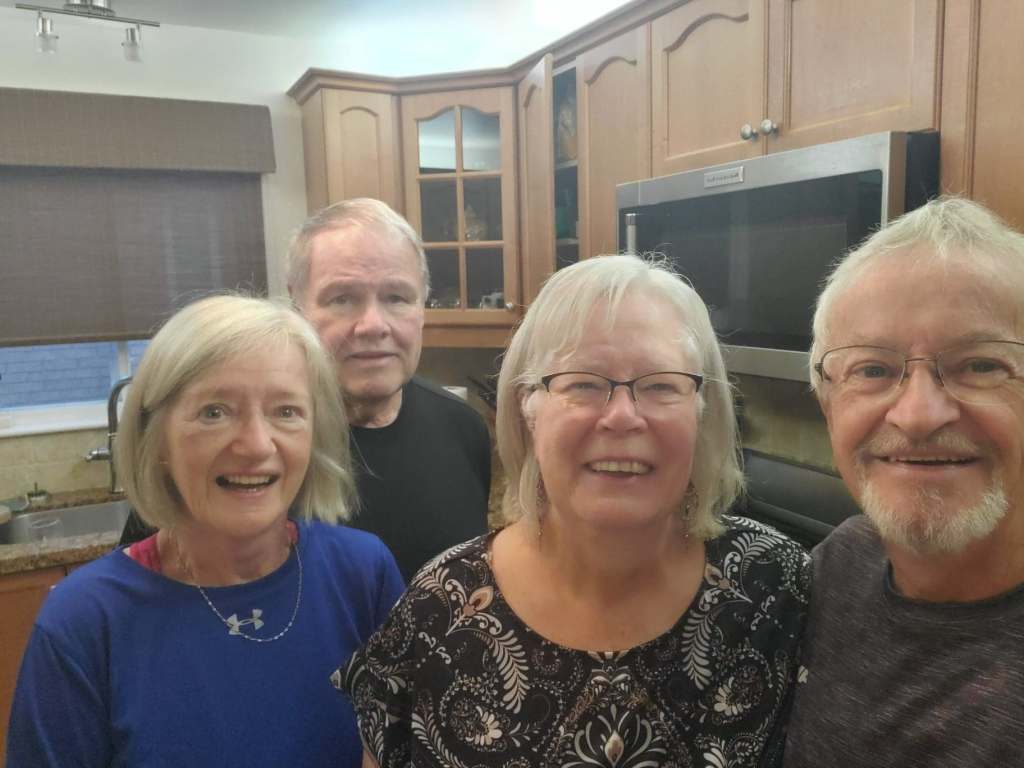
We were scheduled to meet Sandra and Danny Wesley at Little Talbot Island State Park to camp together for the first week of March. We arrived at the same time. They flew from home and rented a camper van. And to our pleasant surprise their daughter, Laura, flew in for a few days – hoping to find a reprieve from the freezing north. The weather was warm and then freezing, so it wasn’t everything for which she hoped. But we had a great visit – hope our company made up for it! Chiggers (actually chiggers’ larvae – grass mites) found Sandra’s feet early on – left nasty, extremely itchy bites all over both feet.
Sandra and I enjoyed being in the surf on two occasions. It was cold, but couldn’t feel it after we got numb! A fishermen told us later that he had a 5 foot Hammerhead shark on his line that got away! I guess what you don’t know can hurt you. The day we took Laura to catch her flight back home we all went downtown Jacksonville for supper at Golden Corral (affectionately referred to as “The Trough” because of the vast and varied opulent food buffet) and to take in Art Walk Festival – local artisans showcasing their goods. Us girls found refuge from the cold in the library and missed the 1 minute parade (a 5-man horn band, someone on stilts and a bicycle).

The next day we visited the Kingsley Plantation situated close to our campground. It was built in 1798 with the remains of 25 slave cabins made of Tabby (a cement-like substance made from cooking crushed oyster shells that were found in massive piles as high as a house – Timucuan Natives loved them and they grow in abundance in the salt marshes). There were many owners but it is named for Zephaniah Kingsley who married a slave girl, Anna, that he had bought from the Spanish. She became his business partner and she also bought and sold slaves. Under Spanish rule a slave could buy or earn his/her freedom. Slave conditions were still very horrible and not many were freed. When Florida was taken over by Americans Kingsley moved his family and 50 freed slaves to Haiti to start another plantation.

There was a musket-firing demo at the plantation. Did you know that we get many euphemisms from a musket? It takes 3 things to make a complete gun – the “lock, stock and barrel”; there is a wee pan that ignites gunpowder in order to fire and if it misfires it is called “a flash in the pan”; the lock that is pulled back has 2 positions – a “half-cocked” position (not quite ready) and a full cock; and in a firing line if one soldier shoots prematurely, he has “jumped the gun”.

The Gopher Tortoise is plentiful in that area. Aptly named, they dig burrows that average 15 feet long and 6.5 feet deep, are 9 – 11 inches long and have a lifespan of 60+ years.. They live in well drained sandy areas and share their dwellings with over 350 other species – snakes, rodents, insects, owls etc – making it a “keystone species” because they support others. We enjoyed a short visit with the traveling Verhuels as they made their way to their winter-avoiding destination in central Florida. It was a great week of visiting with family and friends.

The weather looks good for traveling home and we decided to make haste. We are definitely ready to be home and to see our people! Most of whom are “keystone species”!

Ahhh, February Summer Breeze – Feb 16-28

We left Zepherhills and our friend Bernadette and looked forward to an anticipated visit with Ed and Linda Henderson in Lakeland. Ed was our first Pastor who married us 37 years ago. They are long time friends, who mentored us early on in our Christian walk and our married lives. To say they are a special couple would be an understatement. We enjoyed 4 days chatting, visiting, sightseeing and playing games (Ed is champion Yahtzee player). Definitely a highlight of our travels. While there, Doug and I visited Circle B Bar Reserve – a 1300 acre cattle ranch turned nature reserve area, located on Lake Hancock in Lakeland. It was a hot humid day as we walked through the beauty of towering Live Oak trees dripping with Spanish Moss. We were on the hunt for alligators. Lake Hancock was loaded with them – but we only saw them from a distance (which is a good thing). FYI for every inch from the tip of their nose to their eye ridge equals 1 foot of body length. As we walked through the trail we saw every kind of bird imaginable – storks, egrets, cranes, pelicans, song birds, various kinds of ducks (the reserve boasts upwards to 200 varieties of birds). In the slimy green swamp we saw turtles resting on logs, and some more alligators. We aren’t able to share many photos from the day – but more on that later.

Our next stop was Long Point Beach Park near Melbourne. It is a county owned campground close to Sebastian Inlet ecosystems and the Atlantic Ocean. The beach is located about a mile down the road and we biked to it. The surf was terrific and the beach is on a deep slope. Fishermen with numerous poles line the shoreline. I always ask what they are fishing for, and the answer is always the same – “Whatever will bite”. They mostly catch Whites, but hope for Snapper and Pompano. As always we hunt for shells and as Doug sat to watch the surf, I went for a walk. I hadn’t gone too far when I saw this thing that looked like an oblong plastic bubble with a little blue fluid inside. When I touched it with one one my handheld shells, it responded. So I had to get a picture with our phone before I helped it back into the water. After the photo shoot I scooped it up into my shell and put it in the surf, which promptly sent it back towards me. I wasn’t sure if it was friend or foe and tripped as I fought to avoid it. So both me and our phone/camera went for a swim. Goodbye to our pictures, hello to new phone number (which every telemarketer seems to know). And it was a jelly fish. Back at the campground we saw a flock of wood storks and a bunch of pelicans. Speaking of pelicans…

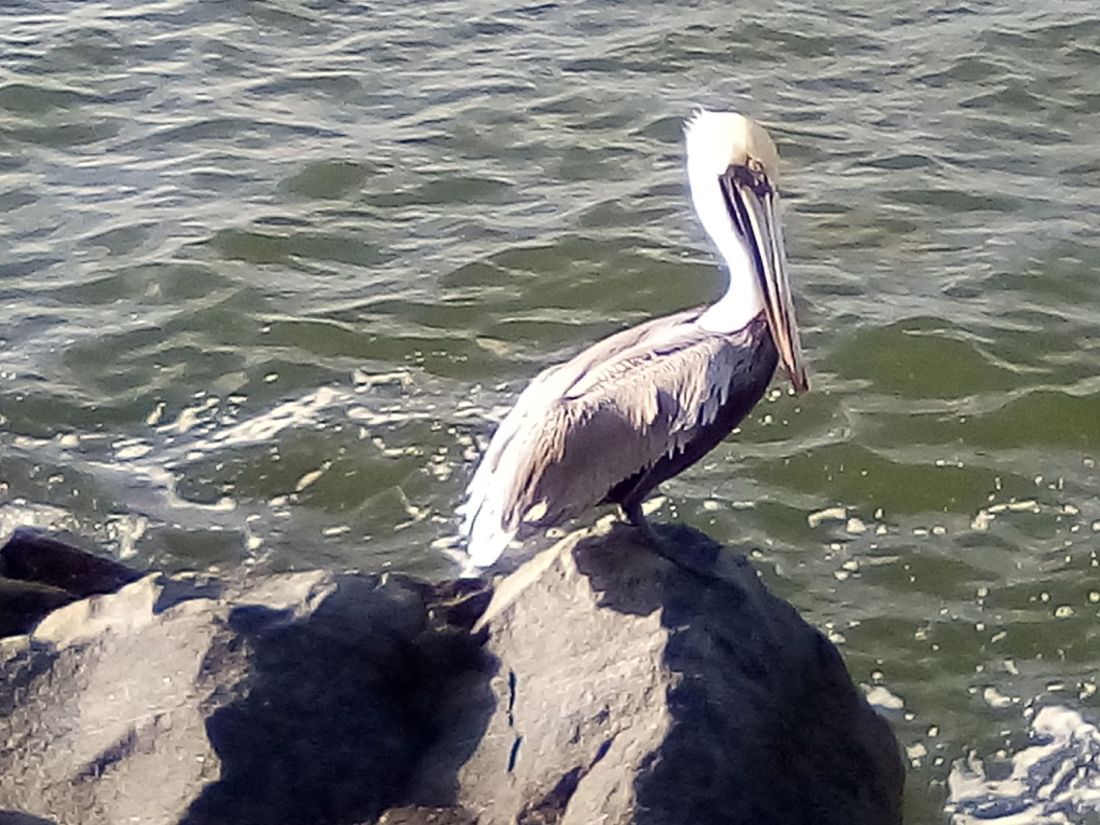
Plenty of pelicans at Port Canaveral’s Jetty Park campground. We love to watch them fly – so smooth and majestic. Our campsite was beside the canal leading into the port which is also home to navy submarines. We weren’t fortunate enough to see any of those, but we did see a sea turtle and some dolphins! Port Canaveral boasts to be on of the world’s most popular cruise ports. Magnificent cruise ships are a common sight. Actually it is a busy boating/fishing port as well. Local deep sea fishing fleets will prepare customers’ catches to suit. The fish cleaning stations at the dock are flooded with pelicans looking for scraps. We caught a picture of one guy that got more than his beak could hold, but he wasn’t giving any of it up. They don’t have teeth and just gulp their food down. I think it took him all afternoon for that one gulp!

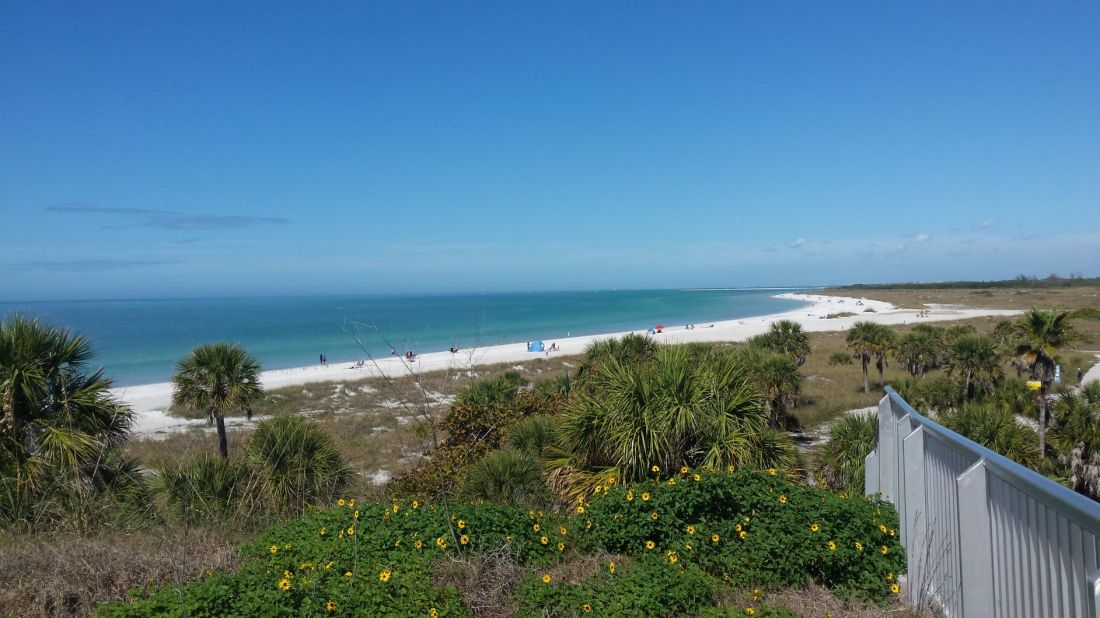
The beach at Jetty Park is beautiful – white sand, lovely surf. Fishermen can be found along the long pier looking for Whites and Pompano. Another great feature of Jetty Park is that the Kennedy Space Centre is just across the water and a space launch is scheduled for early Saturday morning. Stay tuned because we just can’t miss that! The whole month of February was wonderful here in Florida – record heat and sun most every day with plenty of humidity. Two summers for us in 2019 – can’t beat that!

The Weather Suits My Clothes – Feb 1-15

The is a 1960’s song by Harry Nilsson called ‘Everybody’s Talkin’ that I have always loved, especially the chorus. These lines have evoked a calling in me since I was a boy, to travel, to sail, to go where the weather suits my summer clothes. Florida has given us summer in February, so this year we will get two summers!

“I’m goin where the sun keeps shining, through the pouring rain;
goin where the weather suits my clothes;
banking off a north-east wind, sailing on a summer breeze;
skipping over the ocean like a stone.”

When we got to central Florida we met close friends from home, John and Jessica Langille and their boys Wesley and Calvin, in Clermont for breakfast on Feb.2. They were here for a vacation with John’s family and it was a real treat to see them. Then we drove to Zephyrhills for our 2 week stay at Rainbow Village where our friend Bernadette (from our church in Sutherland’s River) lives for 6 months a year. She was great, introducing us to her friends for the SuperBowl party (where I was in the minority as a Patriots fan), driving us around to see the local sights, lending us her van, giving us all kinds of gifts, keeping Glenda busy, etc, etc.

We met up with our friends Brad and Judy MacNeil who also live in Zephyrhills for 6 months a year. They invited us for supper and card games, took us to a beautiful St. Pete’s area beach on the Gulf and a classic car market and made us feel at home. The weather here is exceptional, sunny most every day and temps in the high 70’s to high 80’s, just like a perfect summer at home.

We’ve been on the look out for alligators but haven’t seen any yet, although Glenda bought some gator jerky. Brad and Judy took us to a state park where gators are often spotted in and along the river. Judy (who is afraid of spiders but apparently not gators) marched us through the river trail and I was a bit nervous, especially after hearing that a gator can outrun a horse for a short distance. I mentioned it to Brad and he said we were ok because the women were up front. Judy told Glenda that they just needed to be able to outrun the guys, and Brad is recovering from recent knee surgery.

We have had a great time here and are heading to Lakeland tomorrow to visit with Ed and Linda Henderson, our pastor and wife who married us 37 years ago. Then we plan to spend the next 3 weeks on Florida’s east coast, where the sun keeps shining!


Gulf Coast, Jan 20 – 31

South Padre, Padre, Mustang and Galveston Islands on the Gulf of Mexico are beautiful sandy havens for vacationers and northern winter escapees. The islands run along the Gulf Coast of Texas with Intracoastal Waterway separating them from the mainland and there are lots of bridges and ferries along the way. The beaches are wide enough to be a road and traffic is constant.

We bought a 30 day permit for $25 on South Padre Island. That would allow us to camp right on the beach and we planned to do that for a week. The first night was great – listening to the surf and seeing endless ocean. But the wind was relentless and fierce and the next day brought in a tidal surge that made it necessary to move off the beach. The tide brought water to under the RV and it was a scary move as the RV is a tank in wet sand. The tide and wind prevented us from ever getting back to the beach.

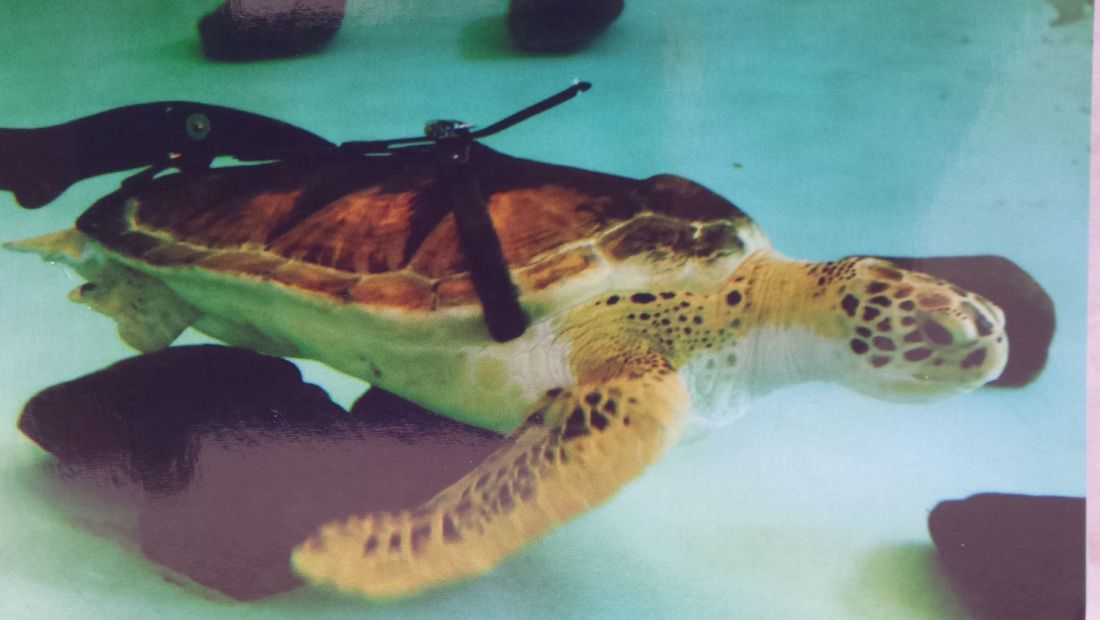
We visited Sea Turtle Inc while we were there. It is a sea turtle rescue/hospital started in the 1960’s. Sea turtles cannot retract their heads and legs into their shells like land turtles. So they are subject to injury – by getting entangled in fishing tackle, predator attack and boat propellers. Also sea turtles aren’t very smart (they have more room in their cranial cavity for salt glands than for brain matter) and don’t know the difference between food and garbage. So they eat lots of stuff they shouldn’t (too much garbage on the beaches) and may not be able to get rid of it and end up deathly ill. Injured and sick turtles wash up on the beach and are rescued by the folks at the rescue centre.

The goal is to get them back to health so they can be released back into the wild. For those too far gone but still survive, they either remain at the rescue or are sent to a zoo for educational purposes. The rescue has 4 or 5 permanent resident turtles. Allison was found with only 1 flipper, a victim of an attack. She could only swim in circles. Someone at the rescue designed a prosthetic that allows her to swim right and that adjusts as she grows. Fred the Loggerhead turtle is another permanent resident. He lost a flipper as a result of entanglement and he is almost blind (he kept bumping into the walls of his holding tank).

We wanted to find some warm weather so decided to travel to Florida quicker than we planned. The Texas coast is littered with oil refineries and the waterways heavy with tanker traffic. We drove though Rockport where hurricane Harvey destroyed lots of property. Galveston is hit with lots of hurricanes too, is 7 feet above sea level and subject to flooding. The hurricane that hit in 1900 destroyed the city. It was decided to raise the city when it was rebuilt. Pretty nearly every structure from Rockport to Galveston are built on stilts (and all along the coast into Florida). Galveston also built a sea wall. Main Street runs on top of it and the beach is right beside.

In New Iberia Louisiana we visited “Shadows on the Teche”. It is the home of a sugar plantation owner, built in 1830’s. The house was built with the best technology of the day. There are no stairways inside the house and no doorways connecting rooms on the bottom floor so as to not hinder any breeze that would blow through the house. Each room on the bottom level has a front door and a back door, which were left open most of the time to allow the breeze to flow. Access to those rooms are only from the outside. The staircases to the second floor are on the outside. Each bed was surrounded with mosquito netting, as were all the beds in the slave houses. It was a necessity then, but now the area is sprayed to keep mosquito population down. Trees were planted on the property in such a way that by the time the breeze reached the house it would be 15 degrees cooler. The Weeks plantation had 300 slaves.

The tour guide (who has Acadian roots with the Saulniers of Nova Scotia) told us there was a law from France communicated through the Catholic Church stating the slaves were to be treated fairly – including given housing, food, clothing and medical care. I asked who policed it, she said “peer pressure” – plantation owners “held each other accountable”. My “Spidey Senses” are tingling! However, she said when the Emancipation Proclamation ended slavery all the slaves agreed to stay. They were paid $8/month in addition to all they had before. To me, “fair treatment” should have been that anyways. Heads of households of 4 generations of Weeks are buried in crypts among the well groomed gardens. The last male had no children and gave the property to the National Historic Trust.

The Bayou is very wet. Cattle can be seen grazing in soggy fields. Nice of the British to drop off the Acadians in a huge swamp!  Rice is grown in great amounts. Originally it was grown for human consumption but it was discovered that crayfish eat rice. So now lots of rice fields are planted and crayfish traps are set in them. The crayfish market is better than the rice market. The Tabasco factory is located not far from New Iberia. It is the only place in the world where Tabasco Sauce is made and they make so many different flavors – most we have not seen where we come from.

A trip to Louisiana wouldn’t be complete without a visit to New Orleans and the mighty Mississippi river. We parked the RV and took the trolley to the French Quarter. It was fascinating just to walk around. There were lots of restaurants, shops and street vendors. We had lunch at a cafe where a guy played the piano and sang jazz blues. The architecture down Canal Street is quite old and well cared for. We saw large cemeteries there that were full of huge ornate crypts. There must have been a sale on bridges because SW Texas and Louisiana have tons of them and in New Orleans they are stacked one upon another! On a long and high bridge leading east out of New Orleans, Doug hung on to the RV as the strong wind just wanted to push us over the edge. Wind and bridges are met with lots of prayer!

We zipped through Mississippi and Alabama. The beaches in the Florida panhandle are beautiful –  we had to deal with drifts of white sand! Opulence and decadence characterize the homes. Hurricane Michael hit the coast last October and we witnessed the devastation it left, from Panama City to Mexico Beach (and 50 miles+ east) where it landed as a category 4 with 150mph wind and a storm surge as high as 14 feet. Just like the beauty of the desert, pictures cannot capture the sights – whole stands of trees snapped in two, parts of buildings missing, whole houses gone off foundations, garbage piled high, debris scattered all over the place and roads broken up. It will take years to rebuild and clean up.

The Lord has blessed us with safety on the roads and has kept our vehicle trouble free (and have seen zero snakes!). We look forward to spending the next month or so in Florida where there is some heat and where we will enjoy the company of some dear friends.


West Texas – January 8-20, 2019

Hwy 54 E from Alamogordo is as straight as a pin. El Paso is 80 miles in the distance and if we looked through binoculars I am sure we would see it. At El Paso we drove the Texas Mtn Trail – hwy 62 is a lonely high desert road that has mountains all around. Salt Flat is just a dot on the map now, but in 1877 was the site of the El Paso Salt War. The Flat has a huge salt deposit and the ground looks like snow. The poor Spanish farmers harvested salt and sold it in order to supplement their meager income. Some rich businessmen in El Paso wanted control of the flat for their own financial gain and went to war. Many lives were lost and now the land stands empty. All along the hwy are abandoned dwellings, many littered with old junk. There is even an old air strip and small scale model airplane, the reminder that there was call for air traffic.

In Fort Stockton we visited the Annie Riggs museum. She was married to Barney Riggs. We heard about him in Yuma. He was in the Yuma territorial prison for murder. He saved the life of the warden during a prison uprising – an inmate was stabbing the warden and Barney killed the inmate. Barney received a pardon. It is said that Barney “killed a man to get to prison and killed a man to get out of prison”. He moved to Ft Stockton and married Annie. But it wasn’t to be a long union. Annie divorced him. She bought a boarding house and built it into a reputable business. She was a force to be reckoned with as well – she wore a pistol in her apron in case any of her guests became unruly. She was noted for her great hospitality. Her family gave the boarding house to the city and it was restored. It stands as a great testimony to Annie.

Our next stop was Langtry. Roy Bean founded the town and named it for Lilly Langtry, an English actress whom Roy had a crush on. They had never met, much to Roy’s disappointment – he invited her many times to come. Judge Roy Bean was “The Law West of the Pecos”. His saloon, The Jersey Lilly, was his courtroom and his jail was a tree that he tied the guilty to. The community has planted a beautiful cactus garden at Bean’s property. We crossed the Pecos River where it runs into the Rio Grande. The beautiful green river runs through a deep gorge. There were lots of ranch entrances and we saw small herds of sheep and goats and were told that it takes 5 acres to sustain 1 sheep because the landscape is so desolate.

Falcon Heights County Park is a really nice park to boondock. We met people that camp there free for the winter. Border patrol station is right beside (looks like a barracks) and the Mexican border is just 2 miles down the road. We could hear gunfire and were told the patrol were target practicing.


Chimney Park RV in Mission was our next stay. It is an RV park for “Winter Texans”. The Rio Grande River is its border with Mexico just across. Again Border Patrol is a huge presence there. They have boats on the river, helicopters in the air, trucks patrolling the road and mobile towers along the river. Pretty serious to guard the border and they aren’t getting paid because of the government shut down. Many people cross the border for dental work, prescriptions and eye glasses. These cost a fraction of what it would cost in America, but we learned that the businesses pay the Mexican cartel “protection” money.

The residents of the park are very outgoing and there are lots of activities to take in. Almost everyone has a golf cart. The next door neighbor owns a 450 pound pig that acts like a dog. She got out the other night and wandered around the RV park. A couple of guys in their golf carts corralled her back home. Pretty friendly pig. There are a lot of different birds. Mockingbirds are plentiful. I read that they can emulate pretty nearly everything. A neighbor Rver was fixing something using an electric drill. The next day a mockingbird was sitting in a nearby tree singing like an electric drill! Amazing.

To close the week out we went to a Flea Market. Must be called a Flea Market because of all the animals that were for sale – sheep, goats, ponies, bunnies, puppies, chickens, roosters, ducks, pigs and birds. I wanted a puppy but wasn’t allowed! Fresh fruit and veggies were plentiful and so was a lot of junk. Tomorrow we are on our way to South Padre Island. The beach awaits!

PIPES, GUNS & ROCKETS – Jan.1-7, 2019

It was with mixed feelings that we left Yuma on New Year’s Eve. Yuma has a way of stealing hearts. We enjoyed the people we met and we made some long lasting friendships, including church kids Samantha, Richard and Charles who were given new bikes for Christmas. Doug had been looking at the map and planning the next chapter of our travel since the middle of December. Grass doesn’t grow! But it was nice to be on the move again to explore and see.

As we moved east to Organ Pipe Cactus National Monument the desert continued to enchant. Organ Pipe Cactus Park is the only place in the USA where the Organ Pipe Cactus grows wild. We camped and hiked among giant Saguaro and Organ Pipe, Prickly Pear and the 28 other types of cacti. It really is an enchanted forest. The park also boasts of 6 different kinds of rattlesnakes – but they were all nestled in for a long winter’s nap! There is an old copper and silver mine there. We met the daughter of a geologist who gave us some tips on rock collecting around the mine. (Glenda got attacked by a baby cholla cactus and it stuck to her leg like a porcupine. I couldn’t help but laugh!)

Border Patrol was heavy in the area – the Mexican border was just a couple of miles away. On the way to Tucson the mountains are spectacular. There was snow on the side of the road. Tucson is home to Davis-Monthan AFB which is the graveyard for retired Air Force aircraft. We saw thousands of planes in their final resting place. We are boondocking again and we both have reading headlamps. lol

I (G) was told I needed a crown. Finally, some recognition! Ok, so it was just the dentist and he was talking about a back tooth that had broken a couple of days prior. I don’t know if that is standard advise to travelers (we are at their mercy), but he told me it wasn’t serious and could wait until I got home to get it seen to. Hope he is right.

Tombstone was our next place of interest. It is a town in the middle of nowhere. Tombstone is usually thought of as a cowboy town, but it is really a mining town. A prospector named Ed Schieffelin was also a US government scout and in 1877 while on a scouting expedition he would go off on his own looking for rocks. A friend told him that he would only find his own tombstone because of the dangers in the wilderness. Instead he found a huge silver deposit and he named his stake Tombstone. Thus began the influx of people. In its heyday in the 1880’s the population was anywhere between 10,000 and 20,000 people. Its prosperity brought an unsavory element as well – 100 saloons were soon in business with gambling, prostitution and lawlessness. That is where “The Cowboys” come in. It was a gang of more than 100 men lead by the Clanton family, a precursor to the “Mob”, that ruled the area. They robbed trains, stagecoaches and stole livestock at will and instilled fear in the populace. Lawmen were paid off and looked the other way.

Many of the Wyatt Earp family were part of the community. Wyatt came to Tombstone to become a businessman and make money. He had a troubled past but had made a name for himself both as a lawman and gambler while he was deputy marshall in Dodge City. He became the bouncer at the Oriental Saloon in Tombstone, securing 25% of its gambling profits. His brother Virgil was Town Marshall and his other brother Morgan a deputy. Eventually Wyatt became a deputy as well. They should not be confused with the corrupt lawmen, as there were territorial marshalls and a town sherrif. And I am unsure of the hierarchy. Suffice to say that a feud had grown between The Cowboys and the Earps, which resulted in the gunfight at the OK Corral in 1881. 3 Cowboys died and 2 Earps were injured.

Wyatt and Doc Holliday spent a couple of weeks in jail while the gunfight was investigated. They were exonerated. The story is an interesting one and the real events dispel the myths of the men involved. (Glenda took a fancy to Billy Clanton from the showdown at the OK Corral.)

Boot Hill Cemetery is an interesting land mark in Tombstone. It is called Boot Hill because many of the people buried there died with their boots on, usually violently. Most of the cemetery has been restored to its original condition – more than 250 wooden headstones with the person’s name (48 were unknown), the date and means of death – over half were either shot, murdered or hanged. There is a Jewish memorial just outside of the cemetery where Jewish people and Indians are buried. They didn’t want to be buried in Boot Hill.

Tourism keeps Tombstone alive with many reenactments of the OK Corral gunfight throughout each day, mine tours and souvenir shops. Its town motto is “the town too tough to die.” It was known as the wickedest city in the West.

Ben had given us a book called Road Food, detailing places in the US that serve really good food. We have used it a few times and El Durron restaurant in Douglas AZ was mentioned . It serves Mexican fare. The menu board was in Spanish so we asked the counter attendant (Javi) to explain. We don’t know why there are tacos, burritos, tostados, enchiladas, etc – maybe it has to do with how the tortilla is folded. Anyway we wanted a burro. But there were 4 different ones. Javi explained – chicken, pork, beef and when we asked about the last one, he simply said, “guts”. Ah…No! We chose one that combined pork and beef. It lived up to its rating in the book. Javi was thrilled that his humble place made it into a Road Food book.

We stopped at Apache in eastern Arizona and saw the memorial of Geronimo’s surrender. The victors get to write the history, but the memoir of Geronimo that Doug read told a somewhat different story. The place is empty and the nearby Chiricahua Mountains make for a beautiful and eerie ambiance.

We boondocked at Scenic View Rest Area in Las Cruces NM. It overlooks the city and the night lights were pretty. At the Rest Area is a huge sculpture of a roadrunner made out of junk. Someone with a wild imagination fashioned it together with crutches, computer and electronic parts, household items, fencing, wires. Its underside is made of running shoes nailed all together. Its eyes are VW headlights. It’s pretty creative. The next day we wandered around the old part of town that showed off its architectural Spanish influence.

On top of Organ Mtn just east of Las Cruces the Tularosa Basin stretched out below us. We descended to the desert floor with a distant wall of mountain on each side of us. Almost to Alamogordo resides White Sands Missile Range. During WWII land owners handed their land over to the government for use. It is the perfect spot for testing. It is so perfect that the government refused to give the land back after the war was over. Hard feelings still exist they say. We explored the New Mexico Museum of Space History – 4 floors of space exploration details. Lots of heady stuff! We learned that missile and rocket history goes as far back as Napoleon – he used rockets in the battle of Waterloo! Who knew?

We took note of the crashed V2 rocket on the grounds. It was Werner Von Braun and his German team who developed this rocket that Hitler used to bomb London. The technology of intricate gyroscopes and accelerometers was so advanced it is still used today, along with the rocket technology developed by American Robert Goddard. V2 rockets were built and tested after the war at White Sands and were the progenitors of modern NASA rocketry. When I (D) was young these scientists and astronauts of NASA were modern heroes. We plan to be in Cape Canaveral in late February and hope to see a rocket launch.

Texas looms before us as we hope for warmer temperatures. And it feels good to be heading east.


Yuma – World’s Sunniest City – Dec 2018

When I was a boy, every day I would take note of the weather page in the New Glasgow Evening News. One place captured my imagination – Yuma Arizona. I don’t know why exactly it was one of the few US cities on that simple weather page in the early 1960’s, but it offered plenty of heat and sun, so I always wanted to go there. And so we have spent the month of December here! It claims to be the world’s sunniest city with at least 350 sunny days a year. It is brutally hot in summer but most of this month we have enjoyed temps in the low 70’s F – low 20’s C. Pretty much like early summer at home. That’s not the only thing we love about Yuma.

We checked into Riverfront RV park on Nov.29 and immediately liked its location right beside the Colorado River and adjacent to a beautiful park and miles of bike trails along the river and canals. We put our bikes to good use and biked everywhere. My knee feels like new and I walked at sunrise every morning – must be the dry weather.

We knew we needed to have something to do – you can’t just sit around all day and do nothing. We don’t golf, so we found Crossroads Mission to volunteer at. It is a homeless shelter and drug rehab centre for hundreds of people. They put us to work each Saturday looking after their booth at the local farmers market. We filled in for the lady who runs it as she went home to Saskatchewan for Christmas and she lent us her truck for the month. That’s how the Lord blesses! There are many Canadians here and they have a reputation for serving. We helped on Christmas Day (it’s the first time Glenda wasn’t sick to death watching me wash dishes!) as they served about 1500 meals. It was held outside on the warmest Christmas I’ve ever seen.

We also found a great church to attend – Grace Bible Fellowship. One of the blessings about being a Christ-follower is when you meet them in other places, you just become friends because we all love Jesus. The church has been around for over 100 years and has quite a mix of people. The pastor’s name is Tom Sawyer  and he and Carolyn were very friendly and gracious to us. They reach out to many native people and migrant workers.

Yuma has lots to offer. There was a Christmas Tree lighting the first Saturday night and a ton of people were out. Then the next Saturday night a marvelous Christmas parade that was 2 hours long with a huge crowd. For my birthday Glenda took me to the Yuma Theatre for an evening of Christmas music with local orchestras. We visited the notorious Yuma prison, which was closed around 1909 and in 1911 became the home for 4 years for the Yuma High School which burnt down. The school teams became known as the ‘Criminals’ and still are today. The prison was then abandoned but was home to many people travelling through Yuma during the depression and subsequent years. You can see their inscriptions on the old cell walls. It has been largely restored.

We enjoyed the Colorado River Museum and learned all about how they have tapped into the Colorado and Gila rivers to irrigate the area for farming. The Yuma area supplies 90% of the North American market for lettuce and greens during the winter. The Colorado River flows from the Rocky Mountains and has several dams along the way, so that when it gets to the Mexican coast south of Yuma there is only a trickle left. The engineering work completed over 100 years ago to supply Yuma with canals is simply amazing. The water is over-allocated though.

We are so enamored with Yuma that we even looked at seasonal rental places. There are so many offered – it is a business in and of itself. Not sure if we would do anything in that regard, but it was interesting to look! We took in some sites like the Imperial Sand dunes and the original wooden ‘Old Plank Road’ into California, hiking Telegraph Pass, visiting date groves, the Mexican border and a ‘Wall’ that has been there for years, plus some great Mexican restaurants. But the bbq feast we had at ‘Famous Daves’ was the most memorable. I love the daily flyover of F-35 fighter jets from the local Marine Air Force base. The air force located here after a pair of Yuma pilots flew a plane nonstop for 47 days in 1949 to demonstrate how favorable Yuma is for flying. It took off on Aug.24, 1949 and didn’t land until October 10. Lol.

We spent Christmas with the church and mission, but we were certainly lonesome for home and family, especially Ben and Ally. I spent considerable time making family collages, of past family Christmas’ and with our family and Jenny. There are many single RV guys who are here alone – something I wouldn’t relish. I wonder about their family situation. We are so blessed – there is no place like home!

We plan to leave Yuma on Dec. 31 and head east. We will stay a few days in eastern Arizona and southern New Mexico and Lord willing will arrive in South Texas by Jan 13. It looks like some cooler weather is east of us, so we will miss sunny Yuma even more. As 2018 ends, we express our thanks to God for guiding and blessing us on our trip!


Up In The Boondocks – Nov.24 to Dec.2

Have we told you that we like the desert? I met a lady from Canada the other day. She said, “Isn’t it nice here?” I replied, “I think I am falling in love.” Boondocking is basically camping in the middle of nowhere and able to do without any services besides what the RV supplies – which is pretty much all that we need. Remember the old song ‘Down in the Boondocks”? We went up to boondock in high country in another BLM area. (Bureau of Land Management – public lands).

We left the metropolis of Lake Havasu City and Quartzsite BLM received us with open arms. It was wonderful to be back. Wide open space, mountains on three sides, beautiful sunrises and sunsets, terrific night sky watching. It was like we belonged. The moon rises are beautiful in the desert (actually, anywhere!). It is a majesty to behold the moon rising over the mountains caught between 2 cacti. Camera cannot capture it (mine doesn’t, anyways). And the many different varieties of cacti are fascinating. Doug wants to take some home to grow in his garden and actually dug up a little one and it is on board. While on a bike ride his tire was punctured by a cactus thorn. More on that later. There are few green lawns in Arizona, but a lot of cactus gardens.

We moved onto Muggins Mountains Wilderness Area on Tuesday. It is another BLM not far from Yuma. On the way we drove through a military proving ground/air base where all matter of military vehicles are tested. Around Yuma we saw lush green fields of garden veggies all around – lettuce, cabbage etc. The Yuma area grows 90% of the green crops in the winter for North America. And a lot of the workers are migrant workers. The wilderness area is up a remote narrow gravel road that leads to some mountains. Just over the mountains is Yuma Proving Ground – another military area that detonates explosives. We could hear the blasts. It truly is a desolate place. It is a popular hiking spot, but not so much a popular camping spot. We were all alone.

Which wouldn’t be so bad except for a warning sign on the BLM kiosk stating that it could be a border crossing area and folks should use extreme caution. Really!? That put me a little on edge. But we enjoyed the night viewing. The stars are so bright. And we could see the lights of the farms from the valley in the distance. It really is beautiful. We heard coyotes and saw bats as they flitted around us. We hiked both days we were there. Rugged and strenuous workout, but so worth it. The second night we saw a plane circling around and around. It could have been a military exercise, but the lateness (10 PM) and the warning sign played havoc with my rest that night. I would do well to remember what someone said once, “You are invincible until the Lord calls you home.” But I was looking forward to being in civilization again.

Riverfront RV Park in Yuma is in the older part of town and is beside the Colorado River. Doug and I are some of the younger residents! It is a quiet park that has lots of antiques on site – everything from vehicles to bicycles to housewares. It even boasts of entertaining 2 neighborhood bobcats that hunt in the nearby wooded area. Apparently they are semi-friendly and can be seen sometimes napping by the river not far from campsites. I hope to lay my eyes on them while I am here. Speaking of bobcats – Bobcat Jack is a winter resident this season. He is a blues musician that was guitarist for Van Morrison, played with Steve Miller Blues Band (when he left the band Boz Scaggs took his place!) and many other famous performers. He will be entertaining the residents here once a week for the winter. I sat in on his first performance this weekend and it was fabulous.

Remember the flat tire on Doug’s bike? He tried to fix it with a patch and to secure the patch he wrapped Gorilla tape around the tube. He put air in it and got the wheel back on the bike and, BAM!, the tube blew up. We got a chuckle! And then we bought a new tube. Yuma is a cyclist’s heaven with bike paths and routes throughout the city. The paths are well maintained, the terrain is flat and there is hardly anyone on them. We are able to get to anywhere with ease and we are getting plenty of exercise. We connected with Crossroads Mission. It is an organization that provides many community helps – homeless shelter, soup kitchen, 2nd hand store, addictions counseling to name a few. We volunteered to help them with a booth they set up on Saturdays at a farmers market. December 1 was the annual Christmas lighting celebration in Old Downtown Yuma. Main St was closed and food and merchandise vendors set up booths. There was live music, attractions for kids and an antique car show. Some great classic cars and even some weird twisted hydraulic stuff, but we don’t get why people like to do that to a good car. On Sunday we found a church (Grace Bible Fellowship) to attend and felt at home.

I think this is the beginning of a wonderful relationship!